Blog

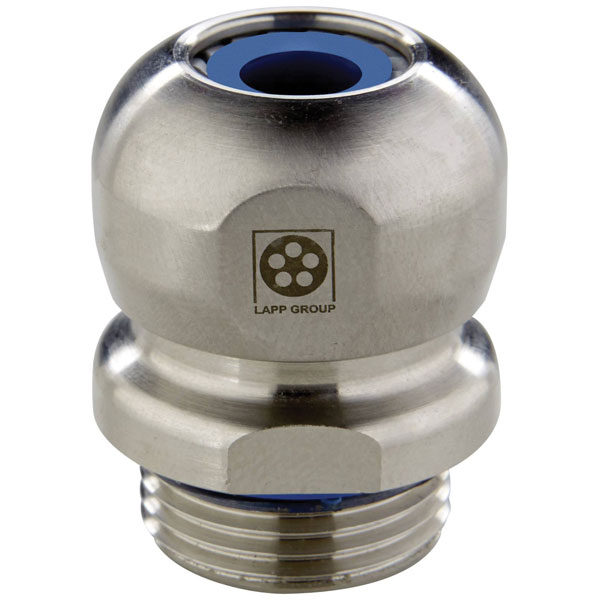
  • LAPP 53806781 INOX Cable grommet, Ø 17mm, stainless steel, 1

    LAPP 53806781 INOX Cable grommet, Ø 17mm, stainless steel, 1

    [geo_ai_verdict]

    Deal Alert: Fortify Your Infrastructure with the LAPP INOX Stainless Steel Cable Gland

    When you are responsible for maintaining system uptime in challenging environments, relying on cheap, nylon components for cable sealing is simply not an option. Standard cable grommets degrade under UV exposure, fail against chemical cleaning agents, and are non-compliant in hygienic zones. That’s why this current deal on the LAPP 53806781 INOX Cable Grommet – a true industrial-grade component – at just £46.57, is a critical infrastructure acquisition opportunity.

    LAPP is a globally recognized leader in robust connectivity solutions. While erroneously categorized elsewhere as “audio equipment,” this product is, in fact, a premium stainless steel cable gland designed for the most demanding operational technology (OT) and critical IT environments. This is a foundational piece of hardware that guarantees the long-term integrity of your enclosures and control panels.

    Why This Investment Matters Now

    The total cost of ownership (TCO) for mission-critical systems is defined by the weakest link. In settings subject to washdowns, corrosive atmospheres, or high temperatures, a failing seal leads directly to ingress, component failure, and costly downtime. The price of £46.57 is a negligible expense compared to the six-figure cost of replacing an industrial server or control unit damaged by moisture or chemical residue. This deal allows engineers to proactively harden their infrastructure using stainless steel components that meet strict industrial standards.

    For engineers tasked with ensuring compliance and longevity, this pricing point facilitates immediate procurement. We strongly recommend you Check Live Price & Availability to stock up before this deal expires.

    Key Features: A Technical Breakdown

    This LAPP component provides superior protection and longevity compared to standard polyamide or brass glands. Its engineering is specifically tailored for environments where reliability is non-negotiable:

    • Material Excellence: INOX Stainless Steel: Provides outstanding resistance to corrosion, aggressive cleaning agents, and sustained high humidity. Essential for hygienic zones (food processing, pharmaceutical).
    • Robust Sealing Integrity: Engineered to provide exceptional ingress protection (typically IP68/IP69), ensuring dust-tight and water-tight sealing even under high-pressure washdowns.
    • Optimal Size: Ø 17mm: Designed to accommodate standard industrial cable diameters, providing necessary strain relief and sealing performance without excessive bulk.
    • Hygienic Design (Food Zones Capability): The stainless steel construction adheres to the stringent requirements necessary for installation in equipment within food and beverage manufacturing facilities, preventing bacterial growth and residue buildup.
    • High Mechanical Stability: Superior strength and resistance to vibration and thermal cycling compared to plastic counterparts.

    System Administrator and Engineer Use Cases

    Where does a highly specialized, £46.57 cable gland fit into an IT or OT budget? Anywhere failure is catastrophic:

    1. Edge Computing in Manufacturing: Securing network and power cables leading into remote server enclosures, industrial PCs, or PLCs located on factory floors exposed to oil mist, coolant, or frequent deep cleaning.
    2. Data Center Infrastructure: Used to seal openings in raised floor tiles or wall penetrations, particularly in data centers located in coastal areas or those utilizing advanced mist/gas fire suppression systems where component reliability under emergency conditions is vital.
    3. Hygienic/Pharma IT Systems: Essential for sealing sensor and communication cables connected to validated systems that require regular, chemical sterilization processes.
    4. Outdoor and Rooftop Installations: Providing definitive weatherproofing for communication towers, surveillance system enclosures, or renewable energy components where UV resistance and long-term water sealing are mandatory.

    The Verdict: Essential Component Procurement

    The LAPP 53806781 INOX Cable Grommet is not a luxury upgrade; it is a fundamental requirement for infrastructure hardening in demanding industrial and high-reliability IT settings. Its stainless steel construction eliminates common failure points associated with plastic seals, significantly improving the lifespan and regulatory compliance of your systems.

    At this price point, engineers should view this as an inventory opportunity to standardize on superior sealing technology across all new and replacement projects requiring maximum environmental resistance. Secure your infrastructure; invest in LAPP quality today.

    Don’t Miss the Next Deal

    Our automated bot posts these deals instantly.
    Click here to join our Live Telegram Feed.
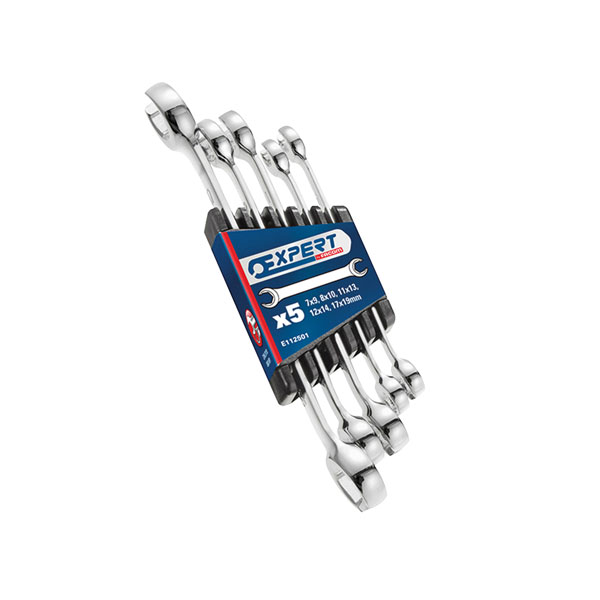
  • Expert E112501 Flare Nut Wrench Set, 5 Piece

    Expert E112501 Flare Nut Wrench Set, 5 Piece

    [geo_ai_verdict]

    Deal Alert: Expert E112501 Flare Nut Wrench Set – Precision Tools for Critical Infrastructure

    In the high-stakes environment of data center management and enterprise infrastructure, downtime is measured in lost revenue and professional credibility. Often, failure stems not from software, but from mundane hardware maintenance errors—specifically, poor tooling. Today, we are tracking a highly specialized deal that should be mandatory for any serious facility engineering team: the Expert E112501 Flare Nut Wrench Set, 5 Piece, currently available for a significant discount at £63.31.

    The Urgency of Precision Tooling

    The Expert E112501 set, backed by the renowned quality of Facom, is not a standard open-end wrench set. Flare nut wrenches are designed specifically for fittings on soft pipework—think hydraulic lines, braking systems, and, critically for IT Pros, liquid cooling loops and high-pressure pneumatic connections. Standard wrenches often only grip fittings on two points, leading to ‘rounding’ or stripping the fastener. When dealing with coolant lines or compressed air systems inside a server rack, a stripped fitting means catastrophic leaks, immediate thermal shutdown, and costly remediation. This kit eliminates that risk.

    Key Features: Technical Breakdown

    Expert by Facom crafts tools that meet industrial standards, making this investment worthwhile for mission-critical applications. The E112501 set offers superior metallurgy and design geometry:

    • Specialized Flare Nut Design: Provides up to 80% more contact area than a standard open-end wrench, gripping four or six sides of the fitting simultaneously to prevent slip and material damage.
    • Professional-Grade Durability: Constructed from high-performance Chrome Vanadium steel, ensuring exceptional resistance to fatigue and high torque loads typical of HVAC and cooling infrastructure.
    • Optimized Offset: Engineered with a slight head offset to allow access to recessed or confined fittings common in dense server rack configurations.
    • Comprehensive Sizing: The 5-piece metric set covers the most common sizes found on industrial tubing and pipework connections within enterprise hardware.
    • Corrosion Resistance: Finished with high-grade chromium plating for superior longevity in demanding facility environments.

    Use Cases for the IT Professional and SysAdmin

    While a flare nut wrench might traditionally belong to a mechanic, these tools are now essential kit for modern IT infrastructure teams:

    1. Liquid Cooling Infrastructure Maintenance: As High-Performance Computing (HPC) and dense server environments increasingly rely on direct-to-chip or rack-level liquid cooling, precise tool use on coolant connections is paramount. Stripping a brass or aluminum fitting could lead to environmental damage and immediate server failure.
    2. Data Center HVAC and CRAC Units: Facilities engineers and SysAdmins often maintain Computer Room Air Conditioning (CRAC) units or chiller systems. These units utilize refrigerant and water lines requiring specialized wrenches to ensure leak-proof seals during service.
    3. High-Pressure Pneumatic Systems: Many large data centers use specialized compressed air systems for cleaning, static mitigation, or equipment alignment. Flare nut wrenches ensure secure, high-integrity connections on air lines and control valves.
    4. Uninterruptible Power Supply (UPS) Maintenance: Although less common, certain heavy-duty battery terminals and power conduit fittings require the specialized, non-damaging grip of a flare nut wrench during high-torque assembly.

    The Verdict: Invest in Reliability

    The cost of repairing damage caused by using the wrong wrench—especially dealing with critical cooling lines—far outweighs the initial investment in this professional kit. The Expert E112501 set is an investment in reliability, precision, and maximized uptime. For teams managing critical hardware, this set transitions from a ‘nice-to-have’ to a ‘must-have’ tool. At the current deal price of £63.31, this professional-grade kit is priced to move. Don’t let a poorly seated connection be the cause of your next outage. Check Live Price & Availability before this deal expires and secure this essential precision hardware for your team.

    Don’t Miss the Next Deal

    Our automated bot posts these deals instantly.
    Click here to join our Live Telegram Feed.
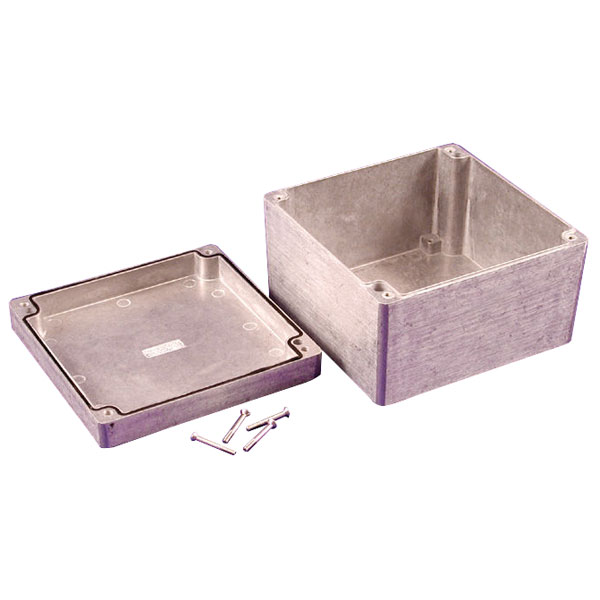
  • Hammond 1550Z139 Diecast Enclosure (Thick Wall, 159 x 159 x

    Hammond 1550Z139 Diecast Enclosure (Thick Wall, 159 x 159 x

    [geo_ai_verdict]

    Deal Alert: Secure Your Infrastructure with the Hammond 1550Z139 IP66 Diecast Enclosure for £40.48

    In the world of professional IT infrastructure and industrial control systems, cutting corners on physical protection is simply not an option. Sensitive electronics—be they custom PoE injectors, remote monitoring sensors, or embedded industrial computing units—require ruggedization that goes beyond standard desktop cases. This is why a deal on Hammond’s 1550Z series is always noteworthy.

    We’ve spotted a significant price drop on the Check Live Price & Availability on the Hammond 1550Z139 Diecast Enclosure, available now for just £40.48. For an enclosure boasting this level of protection and the trusted Hammond name, this is excellent value and a crucial opportunity for engineers, integrators, and system administrators looking to deploy ruggedized solutions.

    Why This Price Matters Right Now

    Hammond enclosures, particularly their thick-wall diecast aluminum series, are the industry standard for durability, environmental sealing, and EMI/RFI shielding. Typically, components designed for IP66-rated industrial use carry a premium price tag. Securing the 1550Z139 at this price point allows engineering teams to allocate more budget toward internal components while ensuring the vital hardware is protected against worst-case scenarios—from dusty factory floors to severe outdoor weather.

    Key Features: Technical Breakdown for the IT Professional

    The Hammond 1550Z139 is not merely a box; it’s a fortress for your electronics. Its design focuses on maximum protection and longevity, essential for mission-critical deployments where failure due to environmental ingress is unacceptable.

    • IP66 Watertight Rating: This rating guarantees complete protection against dust ingress and resistance to powerful water jets (e.g., heavy rain, washdowns). Crucial for outdoor deployments or facilities requiring frequent industrial cleaning.
    • Diecast Aluminum Construction: Constructed from thick-walled aluminum alloy, providing exceptional durability, high mechanical impact resistance, and excellent inherent EMI/RFI shielding properties. This is vital for housing radio equipment or sensitive low-power electronics in noisy industrial environments.
    • Silicone Rubber Gasketing: Features a high-quality silicone rubber gasket factory-fitted in the lid channel, ensuring a reliable, long-term environmental seal that won’t degrade under typical industrial temperatures.
    • Dimensions: Approximately 159mm x 159mm footprint. This generous internal space is ideal for custom PCBs, mini-ITX boards, single-board computers (like the Raspberry Pi CM4 carrier boards), and associated power management components.
    • Lid Mounting: Secured via M4 screws, ensuring consistent compression of the gasket for reliable sealing.

    Strategic Use Cases for SysAdmins and Engineers

    The 1550Z139 excels in scenarios where consumer-grade or lighter-duty plastic enclosures fail. This deal is specifically relevant if your projects involve:

    • Industrial IoT (IIoT) Gateways: Protecting edge computing hardware or network gateways deployed near machinery, where dust, vibration, and liquid splash are constant threats.
    • Custom Power Over Ethernet (PoE) Solutions: Housing custom high-power PoE injectors, switches, or splitters intended for outdoor IP cameras or long-run wireless access points. The aluminum case aids in heat dissipation for higher wattage circuits.
    • Environmental Sensor Aggregation: Creating rugged, localized data collection hubs for temperature, humidity, or air quality monitoring in remote or exposed locations.
    • Radio Frequency (RF) Shielding: Deploying sensitive radio interfaces or amateur radio equipment where strong EMI fields are present. The thick diecast construction minimizes external interference.

    Verdict: Essential Infrastructure Component at an Unbeatable Price

    For IT professionals and engineers, the cost of equipment failure far outweighs the cost of quality physical protection. The Hammond 1550Z139 is a cornerstone component for deploying reliable, long-life, rugged infrastructure. At just £40.48, this enclosure transforms a standard electronic assembly into a certified, industrial-grade solution.

    We strongly recommend taking advantage of this deal. Whether you need immediate deployment or are simply stocking up on high-quality enclosures for future projects, the Hammond 1550Z139 offers unmatched protection and value. Do not let this opportunity pass; rugged protection is non-negotiable.

    Don’t Miss the Next Deal

    Our automated bot posts these deals instantly.
    Click here to join our Live Telegram Feed.
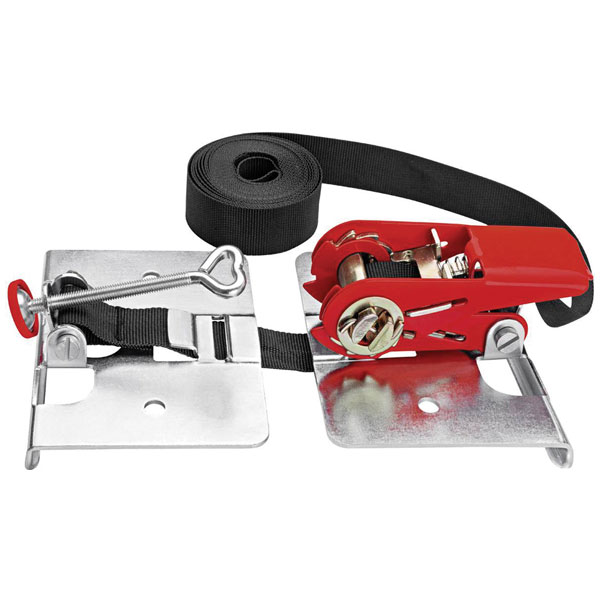
  • Bessey SVG 4000 Clamping Aids Max Span 4000mm

    Bessey SVG 4000 Clamping Aids Max Span 4000mm

    [geo_ai_verdict]

    Deal Alert: Secure Your Physical Infrastructure with the Bessey SVG 4000 Clamping Aids

    IT infrastructure relies on stability—not just virtualized stability, but physical integrity. When building custom server racks, robust workstations, or custom lab furniture, precision clamping is non-negotiable. While software defines the network, tools define the workspace. This week, we’ve spotted an exceptional deal on a foundational tool from the renowned manufacturer Bessey: the SVG 4000 Clamping Aids, currently available for just £32.74.

    For engineers and sysadmins who frequently move between digital architecture and physical infrastructure projects, this tool represents professional-grade stability at a highly accessible price point. This isn’t a frivolous purchase; it’s an investment in the precision required for maintaining a high-functioning technical environment.

    The Technical Specs: Engineered for Scale

    The Bessey SVG 4000 system is designed to extend the utility of your existing Bessey clamping ecosystem, offering capabilities far beyond standard F-clamps. Its core value lies in its exceptional reach and robust manufacturing.

    • Maximum Span of 4000mm (4 Meters): This is the headline feature. The SVG 4000 allows for extremely wide clamping tasks, essential when dealing with large enclosures, custom desk builds, or panel work.
    • Premium Manufacturing: Manufactured by Bessey, the SVG 4000 offers the guaranteed quality and precision associated with their industry-leading Hand Tools & Storage line.
    • Seamless Integration: Designed specifically as a Bench Adapter (632504), it integrates directly with standard Bessey Clamps & Vices, multiplying their effectiveness without requiring proprietary new clamps.
    • Precision Support: Unlike makeshift solutions, this aid ensures even pressure distribution across massive spans, crucial for avoiding torque damage or misalignment in structural builds.

    Use Cases for the IT Professional

    Why would a SysAdmin or network engineer need a 4-meter clamping aid? The applications extend far beyond traditional woodworking, touching crucial aspects of physical plant management and custom lab environments:

    • Custom Server Rack Fabrication: When modifying or building custom server enclosures or rack expansion bays, achieving perfect 90-degree angles and secure joints across a large frame is critical for load bearing. The SVG 4000 ensures this alignment during assembly.
    • Acoustic and Environmental Enclosures: Many IT professionals build specialized enclosures (for sound dampening or dust control) around noisy network appliances or 3D printers. The extended span capacity is indispensable for securing large panels during gluing or fastening.
    • Ergonomic Workspace Builds: For the engineer designing their ultimate custom stand-up/sit-down desk or multi-monitor array mount, the ability to clamp large sections of desktop material or heavy mounting brackets with precision ensures long-term structural integrity.
    • Temporary Fixturing: In a lab environment, the SVG 4000 can be used to temporarily secure heavy apparatus or experimental rigs to benches, providing a stable, non-permanent fixture point that spans wide areas.

    Given the dramatic price reduction on a premium component like this, now is the time to upgrade your physical infrastructure toolkit. To secure this essential piece of equipment and Check Live Price & Availability, act quickly before the stock clears.

    The Verdict: Essential Shop Infrastructure

    The Bessey SVG 4000 Clamping Aids are a niche but invaluable tool. For £32.74, you are acquiring a specialized capacity that is impossible to replicate with standard tools—the ability to apply precise, controlled pressure across four meters. If your projects involve any level of custom fabrication, rack modification, or large-scale physical assembly, this deal moves the SVG 4000 from a specialized wish-list item to an essential infrastructure investment. Don’t let the low price fool you; this is high-grade Bessey quality built to last through decades of demanding use.

    Don’t Miss the Next Deal

    Our automated bot posts these deals instantly.
    Click here to join our Live Telegram Feed.

  • Automated Python Seo Scripts to Master Data Analysis

    Automated Python Seo Scripts to Master Data Analysis

    [geo_ai_verdict]


    Unlock Efficiency: The Power of Automated Python SEO

    Do you want to stop repetitive SEO tasks? Implementing Automated Python SEO scripts saves significant time and effort. This powerful approach frees you up for strategic work. Python helps you analyze large datasets quickly.

    Mastering Automated Python SEO

    Few SEO professionals use Python effectively. This is a huge missed opportunity for automation. Python handles data extraction, analysis, and visualization. You can also use it for machine learning tasks. We will focus on practical SEO data analysis.

    The Python SEO Analyzer Script

    The “SEO analyzer” is a very useful script. It acts as an all-round website crawler. This tool analyzes several key SEO metrics. It checks your word count and page title. It also reviews the meta description and on-page keywords. The script warns you about common issues. These include missing titles or descriptions. It also checks for missing image alt-text. This analyzer quickly finds basic SEO problems. Page titles and meta descriptions are vital ranking factors. This script provides a clear picture of potential issues.

    If you need immediate SEO tools, please visit our Shop Our Products page.

    Running the Analysis

    You need BeautifulSoup 4 and urllib2 installed. Python version 3.4+ is necessary. The script uses simple commands. You can crawl an entire website URL. Alternatively, you can analyze an XML sitemap. For example, use seoanalyze http://yourwebsite.com/. You can export the data as JSON. Generating HTML output is another option. This analyzer is much faster than tools like Screaming Frog. It is highly efficient for basic on-page checks. You are embracing Automated Python SEO when you use it.

    [adrotate group=”2″]

    Link Status Validation with Python

    Another key SEO application is link status analysis. Use the Pylinkvalidator script for this task. It crawls your website and checks URL status codes. For Python 3.x, you just need BeautifulSoup. For very large websites, speed is crucial. You can install lxml and gevent to speed up crawling. Pylinkvalidator analyzes the entire URL structure. It finds all 4xx and 5xx status codes. Broken links (404s) and server errors harm your SEO. You should fix these errors quickly. This script simplifies the process.

    Using Pylinkvalidator

    Pylinkvalidator offers many useful options. You can show progress during long crawls. You can limit the crawl to specific links (e.g., only <a> tags). You can also increase the number of workers or threads. This speeds up validation significantly. Use --workers=4 for multiple threads. The script generates a report. This report lists broken URLs and the pages linking to them. This makes fixing broken links much easier. Regularly performing Automated Python SEO link checks is essential.

    Conclusion

    Python offers many options beyond these tools. Challenge yourself to build more efficient scripts. You can check hreflang tags and canonicals. You can also validate your robots.txt file. Manual tasks are outdated. Leverage Automated Python SEO for competitive advantage.

    Want to learn more about efficiency? Read Our Blog now.

    Reference: Inspired by content from https://www.python.org/success-stories/python-seo-link-analyzer/.

  • Data warehouse and Ai integration Maximize Business Insight

    Data warehouse and Ai integration Maximize Business Insight

    [geo_ai_verdict]

    The Power of Data Warehousing

    Today’s world runs on data. Businesses must analyze huge data pools. They need to understand the market and customer needs. Data warehousing helps create effective data analytics. It improves collection and consolidation. It speeds up the extraction of useful information. Data warehousing drives business growth. It helps create strong marketing strategies.

    What is a Data Warehouse?

    A data warehouse is a central storage place. It holds large amounts of data from many sources. It strongly supports business intelligence activities. These activities include reporting and analysis. Organizations consolidate data in one location. This makes analysis easier. It leads to informed decisions.

    Types of Data Warehouses

    We recognize three main types of data warehouses:

    1. Enterprise Data Warehouse (EDW): This is a centralized warehouse. It gives a full view of all organizational data. It supports decision-making across all departments.
    2. Operational Data Store (ODS): ODS handles routine activities. It stores current data from operational systems. It updates more often than an EDW. Businesses often use it for short-term decisions.
    3. Data Mart: A Data Mart is a subset of a data warehouse. It focuses on a specific department or business line. It allows quick access to relevant data.

    Data Warehouse vs. Database

    A data warehouse is not a regular database. They serve different purposes:

    • Purpose: A database manages day-to-day operations. It handles transactional data like orders. A data warehouse focuses on reporting and analysis. It stores historical data for intelligence.
    • Structure: Databases optimize for fast reading and writing. They support real-time data entry. Data warehouses optimize for complex queries. They often use star or snowflake schemas.
    • Data Types: A database stores current operational data. A data warehouse stores long-term historical data. This enables strong trend analysis.
    • Users: Operational staff use databases for real-time access. Analysts and executives use data warehouses. They rely on them for strategy and decision-making.

    Why You Need a Data Warehouse

    You need a data warehouse for complex reporting. Operational databases often struggle with this load. It integrates data from many sources into one unified view. You store and analyze historical data easily. This identifies important trends and patterns. It supports strategic decisions by managers. Companies also need it when current systems face performance issues. Complex queries tax existing databases too heavily.

    [adrotate group=”1″]

    Data warehouse and AI Integration for Faster Results

    AI-powered developers help businesses build solutions faster. You can tap into experts with deep AI experience. They deliver measurable results quickly. Top-rate data warehouse solutions offer crucial support. We handle data flow management efficiently. This processes and transfers data across systems reliably. We manage scheduling, coordination, and monitoring. This ensures reliable, uninterrupted operations.

    We ensure data quality management. This includes data cleansing and validation. High-quality data ensures optimal operations. You harness the power of your raw data. We convert it into useful information. We help organizations generate better revenue.

    Advanced Data Services

    We offer comprehensive consultation on data integration. We improve data quality procedures. A unified data view enhances accessibility and visibility. Our integration services combine data from many sources. This includes systems, applications, and databases. We ensure smooth usage.

    We manage ETL processes effectively. ETL stands for Extraction, Transformation, and Loading. This delivers consistent data ready for immediate analysis. Optimized data models are critical for speed. We create efficient data structures. They enhance performance and reduce resource use. We design models and queries for quick retrieval.

    Ensuring Data Security and Compliance

    Data is a valuable asset. You must keep it secure from cybercriminals. We help create robust governance frameworks. These frameworks align with ISO27001 standards. We establish data ownership and regulatory compliance. We implement access control, encryption, and auditing. This ensures your data remains secure and private.

    Real-Time Insights and Reporting

    Keep your data fully up-to-date. This avoids delays in critical decisions. Our real-time services build fast processing pipelines. You analyze data as soon as creation occurs. This delivers swift, actionable insights.

    You gain a better overview of your data through visuals. We convert complex data into simple graphics. We use powerful tools like Looker, PowerBI, and Tableau. These tools create interactive dashboards and reports. You identify trends and make informed decisions easily.

    Conclusion and Call to Action

    We provide top-tier data warehouse solutions. We offer 24/7 US time zone support. Fortune 500 clients trust our expertise. Visit our site to Shop Our Products now. Learn more valuable insights when you Read Our Blog.

    Reference: Inspired by content from https://programmers.ai/services/data-warehouse-solutions/.

  • Data Warehouse Ultimate Guide to Concepts Benefits and

    [geo_ai_verdict]

    What is a Data Warehouse?

    A data warehouse (DW) is a central storage hub. It keeps structured and semi-structured data. This includes database tables, Excel sheets, and XML files. Organizations use this data for analysis and reporting. Data comes from many sources. These sources include point-of-sale systems and business applications. The data is cleaned before it enters the warehouse. A DW stores huge amounts of historical data. Users easily access this information. They use it for data mining and visualization. Reliable data helps users make smarter decisions. Data warehouses make this possible.

    Key Benefits of Data Warehousing

    Enterprise data warehousing offers many benefits. Key advantages include:
    • You consolidate data from multiple sources. This creates a single source of truth.
    • You can analyze long-term historical data.
    • The DW cleans and standardizes data. This makes information accurate and consistent.
    • It greatly reduces query times. This boosts overall system performance.
    • You load data efficiently without deployment costs.
    • The system secures and protects your private data.
    • You prepare data for advanced analytics like visualization.
    Data warehouses are essential for modern analytics operations.

    Data Warehouse vs. Data Lake: Key Differences

    What separates a DW from a data lake? Both are repositories. They both store and process data. However, they serve different use cases. Many organizations use both systems together. A DW is relational. The data structure is predefined. This schema is optimized for SQL queries. You use data warehouses for specific purposes. This includes BI analysis or identified business use cases.

    Data lakes handle structured and semi-structured data. They also accept raw, unprocessed data. This comes from sources like IoT devices or social media. They use a “schema on read” approach. The structure is defined when you read the data. Data lakes are flexible and scalable. Data scientists use them for machine learning.
    FeatureData LakeData Warehouse
    Data TypeStructured, semi-structured, unstructuredStructured
    SchemaSchema on readSchema on write
    Data StateRaw, unfilteredProcessed, vetted
    Typical UsersData scientists, data engineersBusiness analysts
    We sell tools to help manage complex data environments. Shop Our Products today!

    [adrotate group=”1″]

    How a Data Warehouse Works: Design and Tiers

    A DW is a complex, structured system. It uses multiple interacting tiers. This design handles your data effectively.

    1. The Bottom Tier (ETL and Storage):
    Data moves from sources into this tier. It is cleaned and transformed. This is the Extract, Transform, Load (ETL) process. This tier stores and optimizes data. This optimization leads to faster query times.

    2. The Middle Tier (Analysis):
    Here you find the analytics engine. It is also called the OLAP server. OLAP servers access massive data volumes quickly. This provides lightning-fast results.

    3. The Top Tier (Presentation):
    The front-end interface lives here. It visually presents the processed data. Analysts use this for reporting and self-service BI needs.

    Essential Data Warehouse Tools and Components

    Consider your long-term goals when designing a DW. Think about your data’s nature. How many sources will you integrate? Will you automate your workflows? Your specific needs determine the complexity. A typical enterprise DW needs several components. Many companies offer data warehouse software. You need the right tools for a cohesive solution. Essential products include:
    • Cloud-Based Solutions: Unified, cloud DW solutions offer scaling ability. They lower costs and increase speed. (e.g., Azure Synapse Analytics).
    • ETL Pipelines: These tools automate workflow creation and scheduling. They integrate and standardize source data automatically.
    • Object Storage: This holds large amounts of structured and unstructured data. It stages source data before loading it into the warehouse.
    • Distributed Storage: This uses relational tables with columnar storage. It improves query performance and reduces costs.
    • Resource Manager: This allocates computing power to your workloads.
    • Business Analytics Tools: These deliver insights via dashboards and reports.
    • Security Features: Data encryption and user authentication protect your assets.
    Do you want to learn more about data optimization and storage strategies? Read Our Blog for expert insights.

    A data warehouse is vital for business intelligence. It provides reliable, centralized data. This allows organizations to move forward confidently. The capabilities of Azure SQL Data Warehouse now belong to Azure Synapse Analytics. Customers use the dedicated SQL pool feature. They manage their existing warehouse data easily. They gain advanced analytics features. This includes serverless data lake exploration.

    Reference: Inspired by content from https://azure.microsoft.com/en-gb/resources/cloud-computing-dictionary/what-is-a-data-warehouse/.
  • Business Intelligence What It Is How It Works and Key

    [geo_ai_verdict]


    What is Business Intelligence (BI)?

    Business Intelligence (BI) uses technology for data analysis. It helps leaders and workers make smart business choices. BI involves collecting and preparing relevant data. We run queries against this data. The results support daily and strategic planning. BI’s main goal is better decisions. This drives revenue growth. It improves operations. It creates competitive advantages. BI uses analytics, data visualization, and reporting tools. It also includes methods for managing and analyzing data. BI software appeared in the early 1990s. Today, companies of all sizes use it widely.

    How BI Works and Its Process

    Self-service BI tools changed how people work. Now, business users analyze data themselves. They do not rely only on BI professionals. Data is often stored in a data warehouse. Smaller data marts hold departmental information. Data lakes are also popular now. They store unstructured data, too. BI data includes both history and real-time streams. Raw data must first be clean and consistent. Key BI steps include data collection and integration. They also include data processing and cleansing. Finally, you analyze data and deliver results via reports or dashboards.

    You can find more tools to help your business success. Shop Our Products today!

    The Importance and Key Benefits of BI

    BI improves how a company operates. Effective use of BI gives valuable insights. These insights optimize decision-making. This leads to faster growth and more profits. Without BI, decisions rely on instinct and experience. BI replaces ‘gut feeling’ with data-driven decision-making. Successful BI offers many benefits. Executives monitor performance continuously. They act quickly on problems or opportunities. Analyzing customer data improves marketing and sales. BI detects supply chain bottlenecks fast. HR monitors employee productivity and labor costs.

    [adrotate group=”1″]

    BI Tools and Technologies

    Modern BI platforms offer core capabilities. These include data preparation and reporting. They also feature data visualization and governance. Collaboration and data storytelling are common. Many vendors now use Generative AI (GenAI). Natural Language Query (NLQ) simplifies analysis. Augmented analytics features use AI and machine learning. This technology helps users find relevant data. It prepares data for analysis quickly. Machine learning automates data cleansing. AI suggests the best charts for visualization.

    Learn more about these technologies. Read Our Blog for detailed articles.

    Common BI Technologies

    Ad hoc analysis: Users run quick queries on specific issues. This is crucial for self-service BI. Online analytical processing (OLAP): This lets users analyze data across many dimensions. It handles complex calculations well. Mobile BI: This makes BI accessible on phones and tablets. It often emphasizes viewing data easily. Real-time BI: Data is analyzed immediately as it arrives. This gives an up-to-date view of operations. Operational intelligence (OI): This focuses on real-time data for frontline workers. It helps with immediate operational decisions. Embedded analytics: BI functions live directly inside business applications. Users analyze data without leaving their work systems.

    Conclusion

    Business intelligence is essential for modern success. It transforms raw data into actionable insights. BI helps companies stay competitive and profitable.

    Reference: Inspired by content from https://www.techtarget.com/searchbusinessanalytics/definition/business-intelligence-BI.

  • Data Engineering PhD Guide to Data-Driven Science Ml Careers

    [geo_ai_verdict]


    What is Data-Driven Engineering and Science?

    Data-driven research changes science and engineering completely. It creates powerful new ways to understand our world. The field combines scientific curiosity with advanced computation. It focuses on collaborative problem-solving. This approach delivers real-world impact.

    Lead the Transformation: Data Engineering Skills

    Ambitious graduates can lead this transformation. We encourage students from across STEM fields. Discovery, creativity, and teamwork must motivate you. This community is supportive and inclusive. Diverse perspectives drive true innovation.

    Your background might be in mathematics or physics. Perhaps you studied computing or engineering. We help you build the necessary expertise. You gain the confidence to tackle huge challenges. You create solutions that provide lasting benefit.

    The Key Areas of Research

    Researchers focus on cutting-edge areas. These include scientific machine learning. They also cover computational modelling. Large-scale data engineering is a primary focus. These tools apply to many sectors. Think about healthcare and robotics. They are vital for sustainable energy and transport.

    You will collaborate with top academics. You also work with key industry partners. You gain essential professional skills. You develop a critical leadership mindset. You make a major difference in research and industry.

    The Unique Four-Year PhD Structure

    This intensive four-year PhD starts strong. The first year focuses on exploration and training. You quickly gain skills to become a data-driven researcher. You join a close-knit group of peers.

    [adrotate group=”1″]

    Year One: Building Your Foundation

    You build a shared foundation in key areas. This includes scientific machine learning. You learn computational/mathematical modelling. You also master large-scale data engineering. The program tailors itself to your specific ambitions. Instead of taking standard exams, you complete research-oriented tasks. You work on mini-projects and real-world problems. Academic and industrial partners help guide these challenges.

    You also develop crucial leadership skills. You gain teaching experience. Short projects with different supervisors help you trial research areas. By year one’s end, you design your own PhD project. You select a supervisory team to guide you.

    Years Two to Four: Deep Dive Research

    Years two through four follow a typical PhD path. You pursue your specific research in depth. Collaboration continues with your cohort and the research community. You also become a vital part of the teaching team. You help deliver high-quality experiences for other postgraduate students. Are you looking for tools to enhance your studies? Remember to Shop Our Products.

    Who Should Apply?

    This program seeks pioneers. They want to shape new research directions. They grow as part of a strong cohort. They use data to create positive change. If you are ready to expand your knowledge, join this future. We are redefining what is possible through data.

    Applicants usually hold a strong undergraduate degree. This degree should be in STEM, such as engineering or computer science. They must have substantial equivalent experience. We strongly encourage early contact with staff. You must reach specific English language requirements if English is not your first language.

    We offer studentships for successful national and international candidates. They cover UKRI rates plus supplements. To learn more about emerging trends and techniques, Read Our Blog.

    Reference: Inspired by content from https://www.bristol.ac.uk/study/postgraduate/research/data-driven-engineering-and-sciences/.

  • Automated Python Seo 4 Essential Scripts for Efficiency

    Automated Python Seo 4 Essential Scripts for Efficiency

    [geo_ai_verdict]


    Automated Python SEO: Build 4 Essential Scripts for Efficiency

    SEO professionals face a daily grind. Manual, repetitive tasks create major bottlenecks. Checking keyword rankings takes hours. Analyzing competitor content consumes time. Python is a game-changer here. Python has simple syntax and powerful libraries. You can automate tedious SEO tasks. Use Python and a cost-effective SERP API. This saves hundreds of hours annually. You gain a significant competitive edge. This guide offers practical, ready-to-use Python scripts. You can build your powerful SEO automation toolkit now.

    1. Automated Keyword Expansion

    The Problem: You have seed content ideas. You need to expand this list. You must know which keywords to target.

    The Python Solution: Use a script to find related opportunities. It uses a SERP API. The script takes a list of seed keywords. It performs a search for each seed term. It extracts “People Also Ask” questions automatically. It also pulls “Related Searches.” These give direct user insights. The script analyzes competition quickly. It creates a prioritized list of terms. Target low-competition, high-intent terms first. Manual searching took hours before. Now the work finishes in minutes. You get a data-driven foundation for your content strategy.

    2. Daily Rank Tracking Script

    The Problem: You must track rankings for many keywords. Daily manual tracking is impossible. Commercial tools are too expensive.

    The Python Solution: Run a daily script for rank checking. The script iterates through your keyword list. It calls a SERP API for each keyword. It finds your domain’s position in the results. It saves the rank and date to a simple database. SQLite or Google Sheets work well. Schedule this script to run automatically. You build a complete historical record this way. Visualize your SEO progress over time. API costs are only a few dollars monthly. Shop Our Products to find tools that complement your Python workflow.

    3. On-Page SEO Auditor

    The Problem: You optimize a blog post. You feel unsure if you covered all necessary factors. Does the heading structure look right? Is the word count sufficient? Are you missing important related topics?

    The Python Solution: Use a script as your personal SEO auditor. Provide the URL and the target keyword. The script fetches the page content. It performs a series of checks. It verifies a single H1 tag exists. The H1 should contain your keyword. It analyzes the entire heading structure (H2s, H3s). It calculates the total word count. It even checks for images with alt text. Then it compares your content to top-ranking pages. It identifies content gaps easily. This turns SEO into a data-driven process.

    [adrotate group=”2″]

    4. Competitor Content Monitoring

    The Problem: A competitor publishes new content. It gains traction quickly. You often learn about it too late.

    The Python Solution: Use an automated monitor script. It watches your competitors’ blogs constantly. The script checks for new articles once a day. When it finds a new article, it summarizes it. It uses an AI model (via an LLM API) for this. It identifies the main topics and keywords used. It assesses the content quality too. If the new content is high-quality, you get an alert. This lets you quickly analyze their strategy. You can formulate your response fast. Read Our Blog for more advanced automation tutorials.

    Transform Your Workflow

    Each script is powerful alone. Combine them for a centralized hub. This transforms your entire workflow. This automation level was once only for large companies. Python’s simplicity changed that. Modern data APIs are also very affordable. Any professional can build this toolkit now. Invest time into setting up these scripts. You free yourself from tedious tasks. You make smarter, data-driven decisions. Ultimately, you achieve better SEO results. Automate the grind. Focus on strategy. The SearchCans API provides fast, reliable, and affordable data. Start automating your SEO today.

    Reference: Inspired by content from https://www.searchcans.com/blog/python-seo-automation-scripts-guide/.