Modern organizations rely heavily on modern Data Engineering to manage complex information pipelines. Robust data pipelines help teams turn raw numbers into valuable business decisions every day.
Without structured systems, teams face rising application complexity and growing data chaos. Leaders must build clear roadmaps to connect business goals directly with technical data models.
The Core Value of Data Engineering in Enterprise Strategy
Solid Data Engineering bridges the gap between high-level business goals and technical tools. Architects translate complex company needs into reliable pipelines for end users. You can explore helpful business solutions when you Shop Our Products to support your operations.
A structured approach helps teams prioritize the most valuable system changes first. Companies evaluate their current architectures, pinpoint bottlenecks, and modernize their data stacks efficiently.
[adrotate group=”1″]Three Critical Phases of Data Architecture
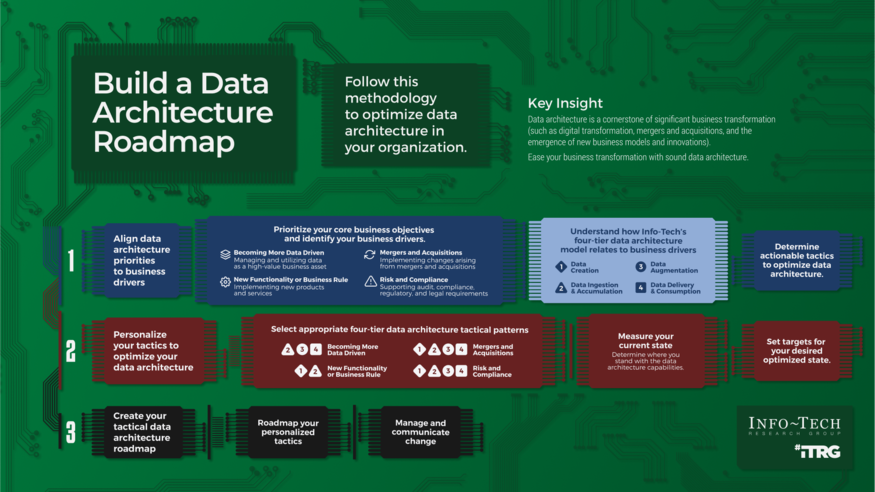
Modern Data Engineering frameworks break optimization down into three clear phases:
- Phase 1: Identify Business Drivers: Focus on changes that create the largest immediate impact.
- Phase 2: Measure Current State: Discover industry best practices and define performance targets.
- Phase 3: Build the Roadmap: Create a personalized plan to guide your structural decisions.
Adopting strategic Data Engineering saves teams time and reduces ongoing enterprise technology costs. You can learn more tactical techniques when you Read Our Blog regularly.