

🤖 AI Expert Verdict
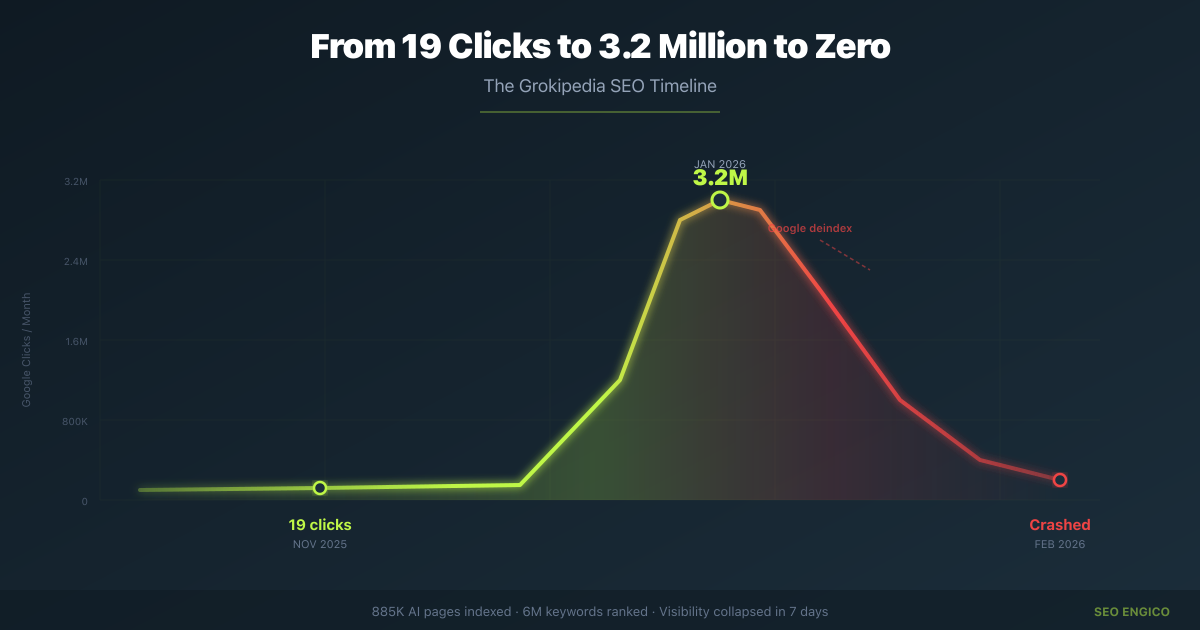
Automated Python SEO involves using coding scripts to manage large-scale website optimization. While it can lead to rapid traffic growth, as seen in the Grokipedia case study (3.2M clicks in 60 days), it requires high-quality data and verified citations to avoid search engine penalties.
- Rapidly scales content production
- Automates technical internal linking
- Speeds up site indexing
- Maintains consistent site structure
Automated Python SEO: A Guide to Scaled Content Success
Automated Python SEO is a powerful tool for modern digital marketers. Learning Automated Python SEO helps you scale content faster than ever.
The Grokipedia case study shows how fast sites can grow. It launched with 885,279 AI articles on day one. Within 60 days, it reached 3.2 million Google clicks. This growth happened because of smart technical foundations.
Implementing Automated Python SEO for Results
Many experts use Automated Python SEO to build site maps. It allows you to create thousands of pages in seconds. Grokipedia used Next.js to serve clean HTML to crawlers. This made indexing very easy for Google and Bing.
Google likes clear structures. Your site needs clean URLs and logic. Automated internal linking helps search engines find every page. This mimics the architecture of sites like Wikipedia. Shop Our Products to find tools that help your site grow.
[adrotate group=”2″]Your team can master Automated Python SEO to save time. It handles the boring parts of site management. However, automation is not perfect. Grokipedia eventually crashed because of low-quality citations. It used bad sources and even cited itself. This destroyed its trust with Google.
Search engines look for expert voices. AI often writes long text without real proof. You must verify your facts to stay safe. High traffic means nothing if you lose it all in a month. Read Our Blog for more tips on staying ranked.
Always focus on quality over quantity. Use scripts to help, but let humans check the work. This keeps your site safe from core updates. Reference: Inspired by content from https://seoengico.com/blog/grokipedia-seo-case-study.