Blog

  • Automated Python Seo Scale Your Strategy with Code

    Automated Python Seo Scale Your Strategy with Code

    [geo_ai_verdict]


    Unlock Efficiency: How Automated Python SEO Scales Your Strategy

    Modern SEO demands speed and efficiency. Learn how Automated Python SEO can transform your workflow. This approach lets you scale your optimization efforts quickly.

    The Power of Automated Python SEO for Workflow Optimization

    Python is powerful for handling large datasets. You can use it to analyze search engine results pages (SERPs). Python scripts identify entities quickly. This mirrors how Google’s Knowledge Graph works. Search engines connect different topics and entities. Use Python to understand these connections instantly. This informs better content creation.

    Wikipedia Insights for Content Planning Automation

    Wikipedia offers rich data for content planning. Look at citations, links, and related pages. Python can scrape this structure efficiently. You automate the discovery of content gaps. For instance, find short articles or stubs automatically. These areas are perfect for in-depth coverage. Use Python to build a massive list of potential topics. This saves hours of manual research time. Shop Our Products to find tools that simplify this process.

    [adrotate group=”2″]

    Automating Internal Linking Strategy with Python

    Wikipedia excels at internal linking. They build a clear web of interconnected knowledge. You should apply these principles to your website. Python scripts analyze your existing site structure. The automation identifies weak links and orphaned pages. It suggests relevant internal links based on topic modeling. This improves user experience significantly. Better linking helps search engines understand content context. Implementing Automated Python SEO linking strategies boosts your rankings.

    Scaling Keyword Research with Python

    Keyword research is crucial for success. Subject experts often write Wikipedia articles. They use precise, targeted language. Python can extract these key terms instantly. Scripts analyze article headers and frequently used phrases. You get valuable terms for your content strategy. Python also pulls traffic statistics if available. High page views show strong user interest. Use this data to focus your content efforts. Read Our Blog for more advanced Python techniques.

    Conclusion: Master Your SEO Workflow

    Do not try to manipulate sites like Wikipedia. Instead, use Python for strategic research. Automated Python SEO is a key tool for modern marketers. It provides powerful insights into content gaps and entity relationships. Embrace the power of programming to master Automated Python SEO workflows. Start building your automation skills today.

    Reference: Inspired by content from https://www.searchenginejournal.com/wikipedia-and-seo/534042/.

  • Data Engineering Roles Skills and Career Path Explained

    [geo_ai_verdict]


    You want to understand the field of Data Engineering. Data Engineering is vital for creating effective data products and services.

    What Does a Data Engineer Do?

    A data engineer develops and constructs data products. They integrate these products into existing business processes. They design and implement data flows. These flows connect operational systems to business intelligence (BI) tools. We offer powerful tools for data management. Shop Our Products today.

    The Different Levels of Data Engineering

    The role has four main career levels. These range from Data Engineer to Head of Data Engineering. Each level carries specific responsibilities and required skills.

    The Entry-Level Data Engineer

    This role implements designs set by senior staff. They build accessible data for analysis. They document source-to-target mappings. They re-engineer manual data flows for efficiency. They write robust ETL (extract, transform, load) scripts. They support building data streaming systems. [adrotate group=”1″]

    Key Skills for Data Engineering Roles

    A successful engineer needs diverse skills. They must communicate technical concepts clearly. They conduct data analysis and synthesis. They follow strict data compliance and security protocols. They understand the data development process. They apply data modelling principles. Learn more about data processes in our articles. Read Our Blog now.

    Advancing Your Career in Data Engineering

    Senior roles involve leading implementation efforts. They optimize code for peak performance. Lead Data Engineers establish cross-organizational standards. They champion Data Engineering practices across teams. Expertise in data integration design is crucial. Strong problem management skills drive success. A Head of Data Engineering guides the entire function.

    Data Engineering forms the backbone of modern data science. Reference: Inspired by content from https://ddat-capability-framework.service.gov.uk/role/data-engineer.

  • Automated Python Seo Master Data Automation and Verification

    [geo_ai_verdict]


    Why Automated Python SEO Is Superior to Speculative AI

    Learning Automated Python SEO changes your workflow. You gain massive efficiency gains right away. Python excels at repetitive SEO tasks. This allows you to scale your efforts quickly and reliably.

    Why You Need Automated Python SEO

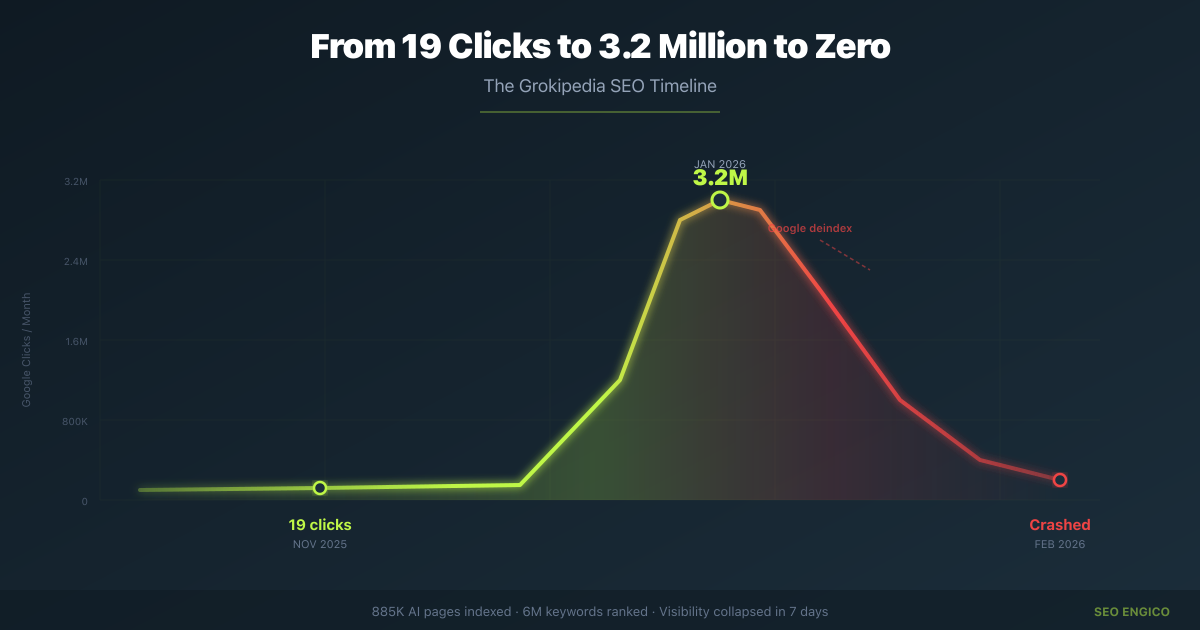
    Python handles bulk data operations easily. You can automate audits and reporting. Python scripts verify data accuracy. This is better than relying on unreliable LLMs. Remember the issues seen with services like Grokipedia. LLMs often “hallucinate” fake facts or citations. You need verified data for effective SEO strategy. Automated Python SEO delivers verifiable, structured data outputs.

    Avoid Unreliable AI Sources

    Some tools mirror Wikipedia content. Grokipedia derived heavily from Wikipedia articles. This sometimes violated copyright licenses. Content from LLMs is generally unreliable. They lack transparency and community consensus. Wikipedia focuses on a neutral point of view (WP:NPOV). LLMs often lean toward specific agendas. Python automation helps you find and verify reliable sources. It does not generate speculative content.

    Essential Tasks in Python Automation

    You can automate keyword research. Run competitive analysis faster than ever. Python handles large crawl data sets easily. Use Python for site structure audits. This technology boosts your visibility effectively. Ready to start automating? Shop Our Products today. You can also Read Our Blog for more tutorials.

    [adrotate group=”2″]

    Scaling Your Efforts with Automated Python SEO

    Scaling requires precision. Guessing results in wasted time and effort. Automated Python SEO ensures consistent results. It frees up your time for strategy. Implement better monitoring systems. We rely on Python for powerful, transparent SEO wins. The future of reliable SEO uses Python. Automated Python SEO is the superior method.

    Reference: Inspired by content from https://en.wikipedia.org/wiki/Wikipedia:Grokipedia.

  • Data Engineering Building Robust Data Pipelines for Business

    Data Engineering Building Robust Data Pipelines for Business

    [geo_ai_verdict]

    The World of Modern Data Engineering

    Modern enterprises rely heavily on powerful data systems. Data Engineering focuses on designing and building pipelines for reliable data access. This field ensures data moves correctly and efficiently. Good data quality drives better business decisions. We explore the essential components of Data Engineering below.

    The Role of Data Engineering in Business

    Data engineers create infrastructure. They develop scalable systems for data storage and retrieval. They manage tasks like cleaning, transforming, and loading data. These systems support analysts and data scientists. They turn raw information into valuable insights. Shop Our Products to optimize your data workflows.

    [adrotate group=”1″]

    Key Skills for Successful Data Engineers

    Successful professionals master many technical skills. They must understand database management systems (DBMS). Expertise in cloud platforms like AWS or Azure is crucial. They also use big data technologies, such as Spark or Hadoop. Programming languages like Python or Scala are essential for scripting pipelines. A career in Data Engineering offers high growth potential. The foundational principles of Data Engineering remain constant despite technology changes. Read Our Blog for deeper insights.

    Data Engineering builds the necessary foundations for analytics. It turns chaotic data streams into organized, usable assets. Invest in robust infrastructure today. Reference: Inspired by content from https://grokipedia.com/page/Wikipedia.

  • Automated Python Seo Hacking the Topic Graph with Wikipedia

    Automated Python Seo Hacking the Topic Graph with Wikipedia

    [geo_ai_verdict]


    You can revolutionize your SEO workflow right now. This guide shows you how to implement Automated Python SEO using powerful libraries. We explore how to hack the Topic Graph using Python scripts. This method provides deep insights into entity relationships.

    Mastering Automated Python SEO for Topic Graphs

    Python is vital for modern data science. It helps you manage and analyze large datasets quickly. You can use libraries like Pandas and Networkx. These tools enable complex analysis of search data. Google’s Language API identifies key entities. It finds associations within content. This process helps map out the topic graph effectively.

    We use Python to define a topic structure. It starts from a single seed topic or URL. The goal is to build a visual mapping of entity relationships. This mapping looks like a tree-like graph. Reviewing this graph generates new content ideas. Shop Our Products for more tools.

    [adrotate group=”2″]

    Tools for Building the Topic Graph

    Several key libraries make this automation possible. Pandas helps you parse and rearrange spreadsheets. Networkx builds graphs of nodes and edges. These define relationships between data points. Pywikibot lets you interact directly with Wikipedia content. These libraries allow sophisticated data analysis for search marketers. You achieve powerful Automated Python SEO results. This script uses entities with Wikipedia URLs as nodes. Edges form when new entities are discovered on an entity’s page. This defines the connection path.

    Understanding entity salience is important. Salience tells you how relevant an entity is to the page. You can sort the collected data easily. This structured approach is key for successful Automated Python SEO strategy. Read Our Blog for more SEO tips.

    Actionable Insights from Entity Mapping

    Understanding the topic layer is critical for modern SEO. Google uses this layer to match user affinities to topics. The generated graphs show how entities connect. This forces you to think beyond individual keywords. For example, the Python graph shows user expertise. Knowing IDEs or CPython suggests a higher skill level. This method turns relationships into quantifiable scores. Successful Automated Python SEO focuses on these connections.

    Test and review your tools using Jupyter Notebooks. Exploring the topic graph is highly insightful. The shared tools give you a significant head start. You can build complex topic graphs now. You are only limited by the API usage quota.

    Reference: Inspired by content from https://www.oncrawl.com/general-seo/topic-graph-wikipedia/.

  • Data Engineering Building Scalable Data Pipelines Systems

    Data Engineering Building Scalable Data Pipelines Systems

    [geo_ai_verdict]

    Data Engineering: Building the Modern Data Foundation

    Data Engineering forms the backbone of modern data-driven enterprises. This crucial field designs, builds, and maintains systems that manage data across its entire lifecycle.

    Data engineers turn raw information into valuable business assets. They ensure data is ready for analysis and insight extraction.

    What is Data Engineering?

    The field of Data Engineering involves building infrastructure for data flow. Engineers manage massive datasets in real-time environments. They provide high-quality information to all business departments. Data engineers make data assets usable. They collaborate with data scientists and analysts closely.

    Key Components of Data Engineering

    Data Collection and Storage

    Engineers start by collecting raw data. They gather it from databases, APIs, and sensors. Next, they design efficient storage solutions. This includes data warehouses and data lakes. Storage must balance speed, scale, and cost-effectiveness.

    Data Processing and Pipelines

    Data processing transforms raw data into a usable format. This means cleaning, normalizing, and integrating it. Data engineers use tools like Apache Spark for optimization. Data pipelines are automated workflows. These pipelines move data consistently from source to destination. Effective pipeline management ensures data integrity.

    Data Quality and Governance

    Engineers implement policies to maintain data accuracy. They set up checks and monitor for data anomalies. They enforce compliance with privacy regulations. This ensures secure and reliable data.

    Why Effective Data Engineering Matters

    Effective Data Engineering is essential for any modern company. It guarantees that data is accurate and ready for use. Reliable data supports machine learning and AI applications. Poor infrastructure creates bottlenecks and inefficiencies. Companies need structured data to gain meaningful insights. It unlocks the full potential of data assets.

    Core Responsibilities of a Data Engineer

    Data engineers manage data from its creation to its archive. They build platforms for data acquisition. They select optimal storage solutions, like SQL or NoSQL. Engineers set up ETL processes to clean and pre-process raw data. They combine different data streams into one verified system. Data engineers also monitor quality and enforce security rules. They actively optimize queries and workflows for better speed.

    [adrotate group=”1″]

    Tools and Challenges in Data Engineering

    Data engineers leverage powerful database systems. These include MySQL, PostgreSQL, and MongoDB. Data warehousing uses Amazon Redshift or Snowflake. Big Data needs Apache Hadoop and Spark. Data orchestration tools like Airflow manage complexity. Handling massive data volumes is a major challenge. Maintaining high data quality is also complex. Systems must scale quickly with demand. You can Shop Our Products to explore relevant technologies. Security and compliance are continuous top priorities. Data engineers must continually update their technical skills.

    Data Engineering vs. Data Science

    Data engineering focuses on infrastructure and preparation. Data science focuses on analysis and modeling. Engineers prepare and manage the data stream. Scientists extract insights and build models. Both disciplines are vital for successful data strategy. You can Read Our Blog for more comparisons on these roles.

    Conclusion

    Data Engineering is the basis for success in data management. It guarantees data accuracy, reliability, and accessibility. This allows businesses to make informed decisions. It helps drive significant growth.

    Reference: Inspired by content from https://www.geeksforgeeks.org/data-engineering/what-is-data-engineering/.

  • Data warehouse and Ai integration A 2025 Necessity

    Data warehouse and Ai integration A 2025 Necessity

    [geo_ai_verdict]

    Data warehouse and AI integration: A 2025 Necessity for Business Success

    Data warehousing is changing fast. Artificial Intelligence (AI) drives this massive shift. Traditional data warehouses relied on manual, slow reporting. Now, they become dynamic and smart ecosystems. AI helps businesses get real-time insights. It automates data management tasks. It allows seamless scaling.

    How AI Reshapes Data Warehousing

    AI introduces many advanced capabilities. It automates data ingestion. It powers predictive analytics. It enables self-optimizing storage solutions. Organizations process huge amounts of data faster than ever before. This includes both structured and unstructured data. AI eliminates bottlenecks from old ETL processes. Machine learning models detect anomalies easily. They optimize queries and enhance governance. This ensures accuracy and compliance across all operations.

    The Need for Real-Time Insights

    Businesses generate much more data today. They rely heavily on this data. The demand for real-time analytics is surging. Organizations need insights fast. They track customer behavior in seconds. They monitor market trends instantly. AI-driven data warehouses meet this high need. They use in-memory computing. They deploy automated indexing. They leverage intelligent caching techniques. AI also enhances scalability significantly. It dynamically allocates resources based on demand. This keeps performance high without huge infrastructure costs. Read Our Blog for more insights on data scaling.

    The Competitive Edge of AI Automation

    Businesses risk falling behind in 2025. They must adopt AI-driven data warehouses. Competitors already leverage AI for speed and efficiency. AI allows faster decision-making. It improves data accuracy and reduces costs. AI-powered automation decreases manual data engineering tasks. This lets your team focus on innovation. They can pursue strategic initiatives instead. AI-driven quality management ensures reliable data. Accurate information leads to better business outcomes.

    [adrotate group=”1″]

    Core Benefits of AI-Driven Data Warehouses

    AI delivers strong business advantages. These benefits drive growth and efficiency. Organizations gain a significant competitive edge. They make faster decisions across the board. They optimize their operations easily. They ensure data integrity at massive scale.

    • Accelerated Decision-Making: AI provides instant insights. It predicts future trends accurately. It helps identify critical business opportunities.
    • Operational Efficiency: Automation speeds up data pipeline processes. Query optimization reduces processing time and costs. AI handles complex data transformations automatically.
    • Enhanced Data Security: AI detects suspicious patterns instantly. It helps enforce strict security policies. It protects sensitive information effectively.
    • Seamless Scalability: AI dynamically adjusts resource allocation. It manages growing data volumes easily. It ensures consistent performance under heavy load. Check out our solutions to streamline your operations. Shop Our Products today.

    Addressing Implementation Challenges

    AI data warehousing offers huge advantages. Yet, businesses face implementation hurdles. They must ensure seamless deployment and top performance. Key obstacles include data integration complexity and cost.

    Integration Complexity

    Integrating various data sources is difficult. This includes structured and unstructured data. Fragmented ecosystems cause inefficiencies. AI helps bridge these gaps. It standardizes diverse data formats. It ensures consistency across all sources. It eliminates data silos effectively.

    Model Accuracy and Bias

    AI models detect trends and optimize queries. They can suffer from bias or inaccuracies. Organizations must ensure trustworthy insights. They need continuous validation. They must implement high transparency measures. This minimizes the risk of misleading predictions.

    AI-powered data warehousing requires investment. You need cloud infrastructure and AI tools. You must ensure a strong Return on Investment (ROI). Define clear metrics first. Optimize AI resource allocation carefully. This ensures strong financial and operational returns.

    The Future: Hyperautomation and Generative AI

    The future of data warehousing is exciting. AI will enable self-optimizing systems. Real-time adaptive analytics will become standard. Hyperautomation will refine query execution. Instant insights will flow without human help. Generative AI will automate reporting fully. It will create personalized dashboards. This democratizes data analytics for all business users.

    Conclusion: Embrace the AI-Driven Era

    AI-powered data warehousing is necessary now. It is not just a concept. It helps businesses stay competitive and agile. Integrating AI accelerates real-time analytics. It enhances security significantly. It drives much smarter decision-making. Embrace these innovations to secure your business future.

    Reference: Inspired by content from https://datahubanalytics.com/integrating-ai-with-data-warehousing-transforming-data-management-in-2025/.

  • Data Warehouse The Complete Guide to Data Modeling Etl

    Data Warehouse The Complete Guide to Data Modeling Etl

    [geo_ai_verdict]


    A Data Warehouse (DW) is a vital system in computing. It supports reporting and data analysis. This makes it a core part of business intelligence (BI). DWs act as central storage areas. They integrate data from many different sources. These systems organize current and historical data for optimal analysis. Analysts and managers use DWs. They use the insights generated to make crucial organizational decisions.

    How Data Warehouses Handle Data

    Data gets uploaded from operational systems, like sales or marketing platforms. The data often moves through an operational data store first. Data cleansing is necessary to ensure high quality before it enters the DW. We primarily use two main methods to build a DW system. These methods are Extract, Transform, Load (ETL) and Extract, Load, Transform (ELT). ETL requires data transformation before loading. ELT loads the raw data directly first. Then it handles all necessary transformations inside the data warehouse itself. This is often done using a staging area within the DW. You can learn more about specialized tools on our website. Shop Our Products now.

    Databases for Different Goals

    Operational databases focus on speed and data integrity. They use database normalization. This design keeps data accurate. However, one transaction might spread information across many tables. This design allows for very fast updates. Data warehouses, however, optimize for analytical access. They select specific fields instead of loading all data.

    [adrotate group=”1″]

    Understanding OLAP and OLTP

    We use different database management systems for these two types of processing. Online Transaction Processing (OLTP) handles many short online transactions. Examples include INSERTs, UPDATEs, and DELETEs. OLTP emphasizes fast query processing. It maintains detailed and current data. Performance focuses on transactions per second. Online Analytical Processing (OLAP) uses complex queries. These queries involve data aggregations. OLAP systems store aggregated, historical data. They often use multi-dimensional schemas like star schemas. OLAP is excellent for data mining. Response time measures OLAP performance.

    Modeling Your Data Warehouse

    You have two important approaches for storing DW data: dimensional and normalized.

    1. Dimensional Approach

    Ralph Kimball proposed the star schema. This approach partitions transaction data into “facts” and “dimensions.” Facts are numeric measurements, like total price paid. Dimensions provide context, such as customer name or order date. This structure makes data easier to understand. It also speeds up data retrieval. However, adding new, unstructured data can be challenging.

    2. Normalized Approach (3NF)

    Bill Inmon proposed this entity-relational model. Data follows database normalization rules. Normalized tables group into subject areas. Examples include customers or finance. This approach makes adding new information straightforward. However, it involves many tables. Users may find it hard to join data without deep structural knowledge. Both models use joined relational tables. They only differ in their degree of normalization. The best choice depends on your specific business problem. We often publish guides to help you make these choices. Read Our Blog for the latest insights.

    A Brief History

    The idea of data warehousing began in the late 1980s. IBM researchers Barry Devlin and Paul Murphy developed the “business data warehouse.” They wanted an architectural model for data flowing to decision support environments. Before this, companies wasted money on massive data redundancy. Multiple decision support systems often needed the exact same stored data. Early DW concepts aimed to reduce these high costs. They provided a centralized, efficient way to manage historical business data.

    Facts and Aggregations

    A fact is a value or measurement within the managed system. Raw facts come directly from the reporting entity. For instance, a cell tower reports channel allocation requests. Aggregated facts, or summaries, roll up raw data. If a city has three towers, you aggregate the requests to the city level. This process helps extract more relevant business information.

    Reference: Inspired by content from https://en.wikipedia.org/wiki/Data_warehouse.
  • Business Intelligence What Is Bi How It Drives Decisions

    [geo_ai_verdict]

    What is Business Intelligence (BI)?

    Business Intelligence (BI) involves strategies and technology. Businesses use BI for data analysis. It helps manage crucial business information. This data informs key business strategies and operations. Common BI functions include reporting, analytics, and dashboard creation. BI also covers data mining and predictive analytics. These tools process large amounts of data effectively. This data can be structured or unstructured.

    How BI Creates Strategic Value

    Organizations use BI to find new strategic opportunities. BI helps make big data easy to understand. Finding new opportunities is crucial for growth. Effective strategies based on these insights give businesses a competitive edge. BI supports long-term stability and informs strategic decisions. It ranges from daily operations to high-level strategy planning.

    Applications of Business Intelligence

    Enterprises use BI to support many business decisions. Operational decisions cover things like product positioning or pricing. Strategic decisions set broad company goals and direction. BI works best when it combines internal and external data. External data comes from the market environment. Internal data includes financial and operational records. Combining this data creates true ‘intelligence.’ This comprehensive view is impossible using only one data source. BI tools help organizations understand new markets. They assess product demand. They also accurately measure marketing campaign effectiveness.

    [adrotate group=”1″]

    BI History and Evolution

    The term “business intelligence” first appeared in 1865. Richard Millar Devens used it then. He described how banker Sir Henry Furnese profited from fast information. Furnese acted quickly on news before his competitors. Devens argued that collecting and acting on information is central to BI. Later, in 1958, IBM’s Hans Peter Luhn used the term. He defined intelligence as “the ability to apprehend the interrelationships of presented facts.”

    In 1989, Howard Dresner proposed a broader definition. He called BI an umbrella term. It described methods that improve decisions using fact-based support systems. This modern usage became widespread in the late 1990s. Today, BI uses methodologies, processes, and technologies. They turn raw data into useful information. This enables effective strategic and operational decisions.

    BI vs. Related Fields

    People often confuse Business Intelligence and Competitive Intelligence. BI primarily analyzes internal, structured data. Competitive Intelligence focuses on competitors and external data. Competitive Intelligence is typically a subset of BI. Some also confuse BI and Business Analytics (BA). Thomas Davenport separates these terms. He says BI includes querying, reporting, and Online Analytical Processing (OLAP). BA is the subset focusing on statistics, prediction, and optimization.

    Dealing with Unstructured Data

    Business operations create huge amounts of unstructured data. This includes emails, chats, and presentations. More than 85% of all business information exists this way. Managing semi-structured data remains a key challenge. Organizations must accommodate this data when designing BI solutions. We need metadata to improve data searchability. Metadata adds context, such as author or topic summary. Technologies like automatic categorization help generate this metadata.

    Generative BI

    Generative BI uses generative AI techniques. Large language models are key here. This approach makes data analysis easier for everyone. Users interact with data using natural language queries. This helps generate actionable insights quickly. For example, Microsoft integrated Copilot into Power BI.

    Take the Next Step in Data Strategy

    Are you ready to optimize your data systems? You can learn more about data management and technology trends when you Read Our Blog. If you need robust solutions now, please Shop Our Products.

    Reference: Inspired by content from https://en.wikipedia.com/wiki/Business_intelligence.

  • Data Engineering What It Is History and Key Concepts

    [geo_ai_verdict]


    What is Data Engineering?

    Data engineering builds robust data systems. It is a software engineering approach. These systems help collect and use crucial data. People use this data for analysis and data science. This often includes machine learning. Making data usable requires significant computing and storage. It also demands careful data processing.

    The History of Data Systems

    The term Information Engineering Methodology (IEM) appeared around the 1970s. It described database design. IEM also involved using software for data analysis. Database administrators (DBAs) used these techniques. Systems analysts also adopted them. They needed to understand organizational processing needs. Clive Finkelstein was a key contributor. Many call him the “father” of IEM. He co-authored an important report with James Martin. Finkelstein focused on a business-driven direction. Martin continued a data processing focus.

    The Rise of the Data Engineer Role

    IT teams generally held all data tools in the early 2000s. Other teams used the data for reporting. Data skillsets rarely overlapped across the business. The internet brought massive data increases in the 2010s. This included huge volume, speed, and variety. The term “big data” described this shift. Companies like Facebook started using “data engineer.” Traditional ETL methods no longer worked. Major firms moved away from old techniques. They created data engineering. This focused on infrastructure, warehousing, and security. Cloud computing drove much of this change. Data became important for sales and marketing teams too.

    Processing and Storing Data

    High-performance computing is vital for data analysis. Dataflow programming is a popular approach. This represents computation as a directed graph. Nodes are the operations. Edges show the data flow. Apache Spark is a popular example. TensorFlow is specific to deep learning. Newer systems use incremental computing. This makes data processing much more efficient.

    We offer the latest tools for data professionals. Please Shop Our Products today!

    [adrotate group=”1″]

    Data engineers optimize storage systems. They reduce costs through compression and partitioning. The intended usage dictates how you store the data. Structured data often requires online transaction processing (OLTP). In this case, people use databases. Relational databases were originally common. They guarantee ACID transaction correctness. They mainly use SQL queries. Data growth in the 2010s popularized NoSQL databases. They scale horizontally more easily. They trade ACID guarantees for scalability. Newer NewSQL databases try to maintain ACID guarantees. They still allow horizontal scaling.

    Data Warehouses and Data Lakes

    If you need online analytical processing (OLAP), use data warehouses. Data warehouses enable large-scale data analysis. This includes mining and AI. Data often moves from databases into warehouses. Analysts and data scientists access these warehouses. They use SQL or business intelligence tools. A data lake is a centralized storage spot. It handles huge volumes of secured data. A data lake holds structured and unstructured data. You can build data lakes on-premises. Many use cloud services from Amazon or Google. Unstructured data is often stored simply as files.

    Workflow and Modeling

    The number of data processes can overwhelm users. Workflow management systems help handle this complexity. Tools like Airflow specify and monitor data tasks. Tasks are often specified as a directed acyclic graph (DAG). Designing data systems involves several parts. This includes architecting platforms and designing stores. Data modeling represents data requirements. A data model organizes business concepts. It shows the relationships and constraints. These models guide communication. They also inform the final database design.

    Data Engineer vs. Data Scientist

    A data engineer is a software engineer. They build big data ETL pipelines. They manage the data flow organization-wide. This translates data into actionable insights. They focus on production readiness. They worry about formats, resilience, and security. Data engineers usually have a software engineering background. They know languages like Python or Java. They understand architecture and cloud computing.

    Data scientists focus on analysis. They know mathematics and algorithms well. They are experts in statistics and machine learning. You can learn more about these roles when you Read Our Blog.

    Reference: Inspired by content from https://en.wikipedia.org/wiki/Data_engineering.